
Turning surplus food into sustenance
Photo Credit: WWF
In a country where millions of people face food insecurity every day, the heartbreak is that vast quantities of perfectly edible food are discarded daily. Bridging this gap is one of South Africa’s most critical social innovations, led by FoodForward South Africa (FFSA), the continent’s largest food redistribution organisation, established in 2009.
With support from its partners, including its longstanding partner, the WWF Nedbank Green Trust, FFSA has built an extensive national network that recovers and distributes quality surplus food from donor manufacturers, retailers and farmers. It operates from 5 strategically located warehouses and serves all 9 provinces.
FFSA works with a national network of more than 2 200 registered and vetted beneficiary organisations that collectively reach over 862 000 vulnerable South Africans every day. All donors receive Section 18A tax certificates, enabling them to receive tax benefits linked to their contributions.

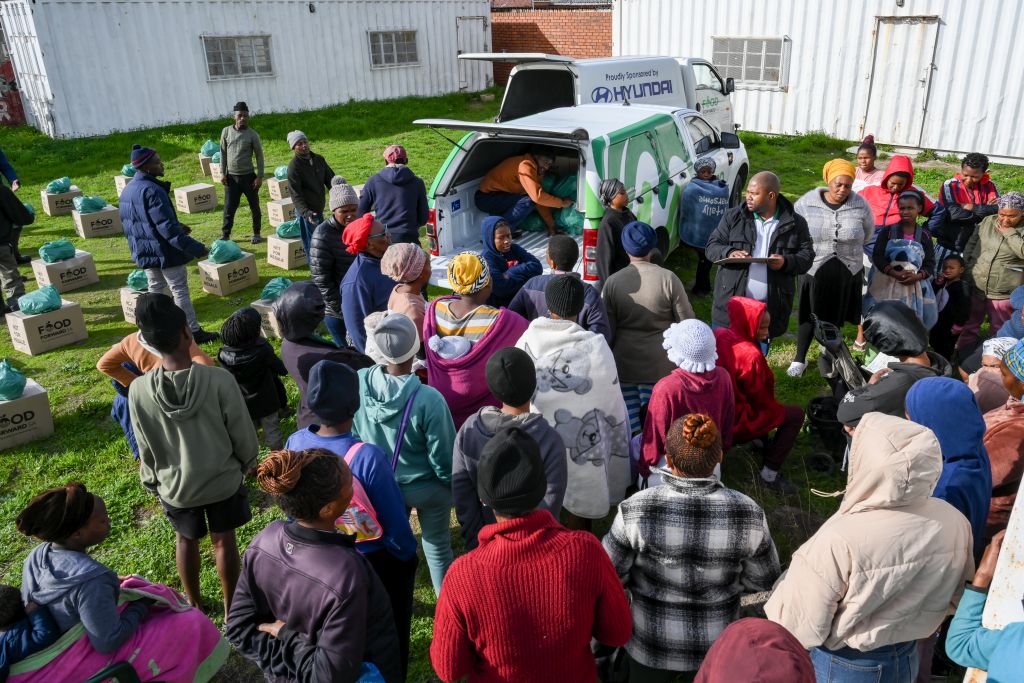
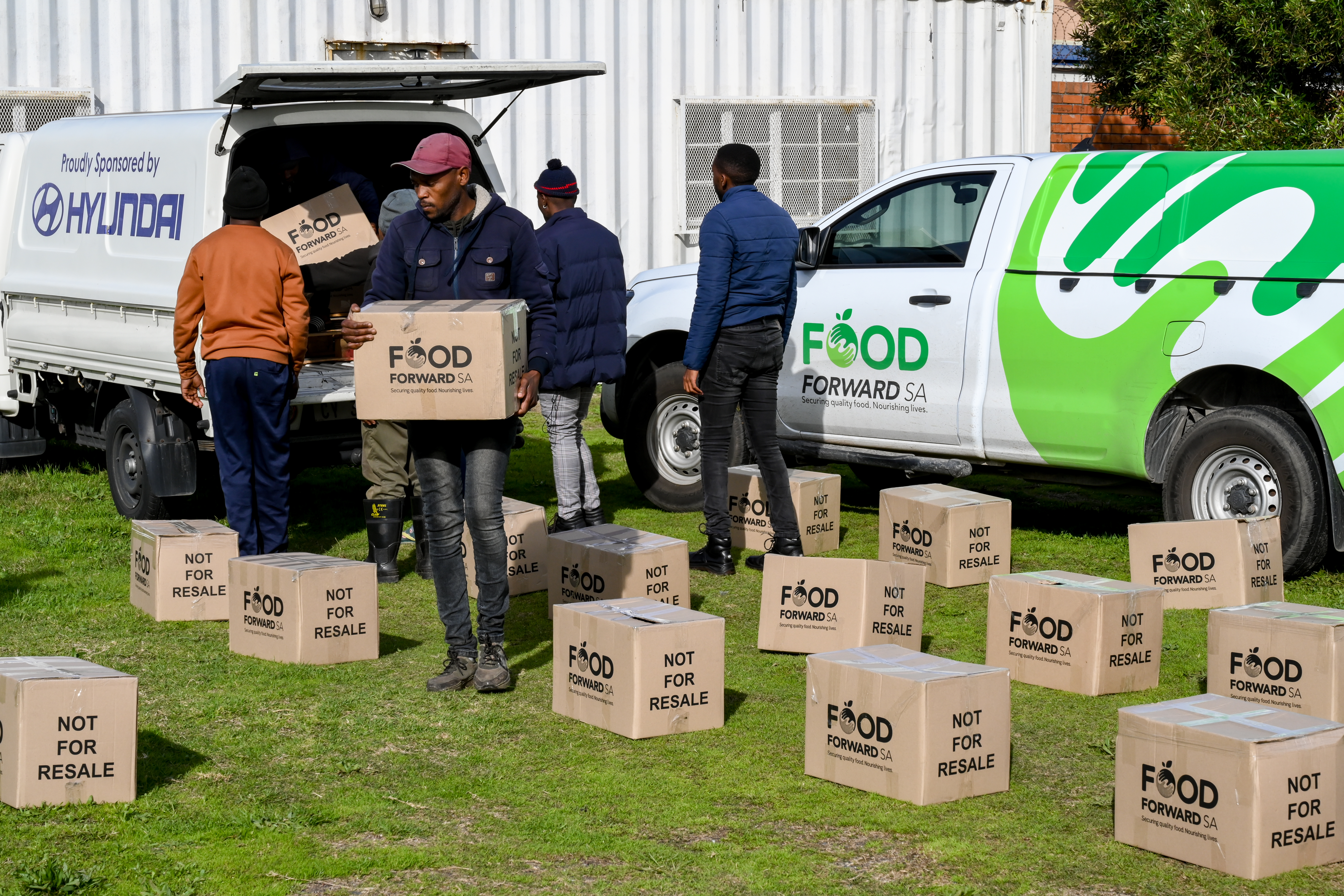
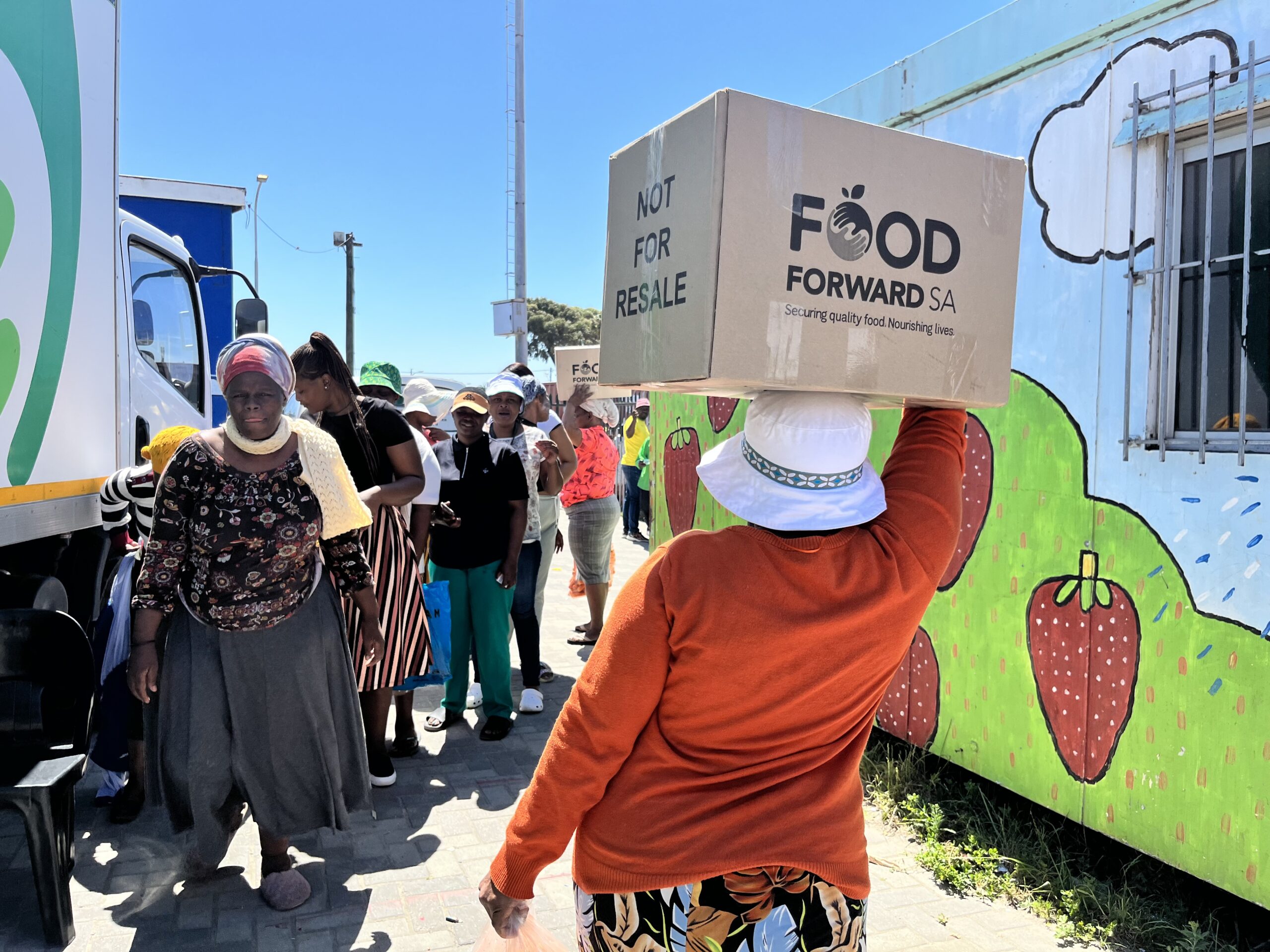
‘We are actively working on reaching more vulnerable people as we are only recovering about one percent of the 10 million tonnes of surplus food that goes to waste in our country every year, much of it nutritious, safe and edible,’ says Andy Du Plessis, Managing Director of FFSA. South Africa produces approximately 31 million tonnes of food annually.
National food donation standard imminent
A gamechanger for donations advocated by FFSA is the establishment of a South African National Standard (SANS) for food donation. Working with the South African Bureau of Standards (SABS), FFSA has helped develop a best practice standard designed to remove uncertainty around food donations and clarify issues such as date labelling, including ‘best before’ and ‘use by’ dates. Many products remain perfectly suitable for consumption beyond these dates, provided quality and safety are maintained.
The draft standard recently underwent public consultation and will now be finalised and hopefully published by the end of this year.
‘The standard promises to significantly increase donations,’ says Poovi Pillay, Executive Head of the Social Impact Unit at Nedbank, ‘With support from the WWF Nedbank Green Trust, FFSA is additionally focusing on a number of strategic initiatives, including; increasing access to food through the agricultural sector, changing behaviours regarding food waste, and leveraging technology to recover and distribute more surplus food faster.’
Unlocking surplus in the Agricultural sector
FFSA estimates that approximately 27% of South Africa’s food losses occur within the agricultural sector – on farms, in packhouses and during storage and logistics processes. ‘We are placing a strong emphasis on partnering with the agricultural sector, including fresh-produce farmers and farmer associations such as Agri SA and the Citrus Growers’ Association,’ Du Plessis explains.
In addition to excess harvests, many farmers produce crops according to strict retailer specifications, such as size, appearance and sugar content. Produce that falls outside these specifications often has limited commercial value.
‘The results of working closely with farmers have been remarkable,’ says Du Plessis. ‘On a recent collection drive, FFSA recovered over 60 tonnes of surplus citrus fruit that would otherwise have been discarded or destined for landfills. Increasingly, fresh-produce farmers are participating as it is not only socially responsible but also economically sensible. Disposal at landfill sites incurs significant costs through third-party waste management services. Donation offers an alternative that benefits the farmers, communities and environment.’
Fresh produce represents one of the most important components of FFSA’s redistribution efforts. During the 2025/26 financial year, FFSA distributed approximately 20 million kilograms of surplus food, with around 40% consisting of fresh fruit and vegetables – a significant increase from the previous year.
‘We are further extending our reach to access remote rural areas through mobile depots,’ Du Plessis explains. A pilot project in East London has already attracted strong interest from local farmers eager to contribute surplus produce. Meanwhile, a new depot being established in Mthatha is expected to support between 16 and 20 beneficiary organisations across the rural Eastern Cape.
Technology as a force multiplier
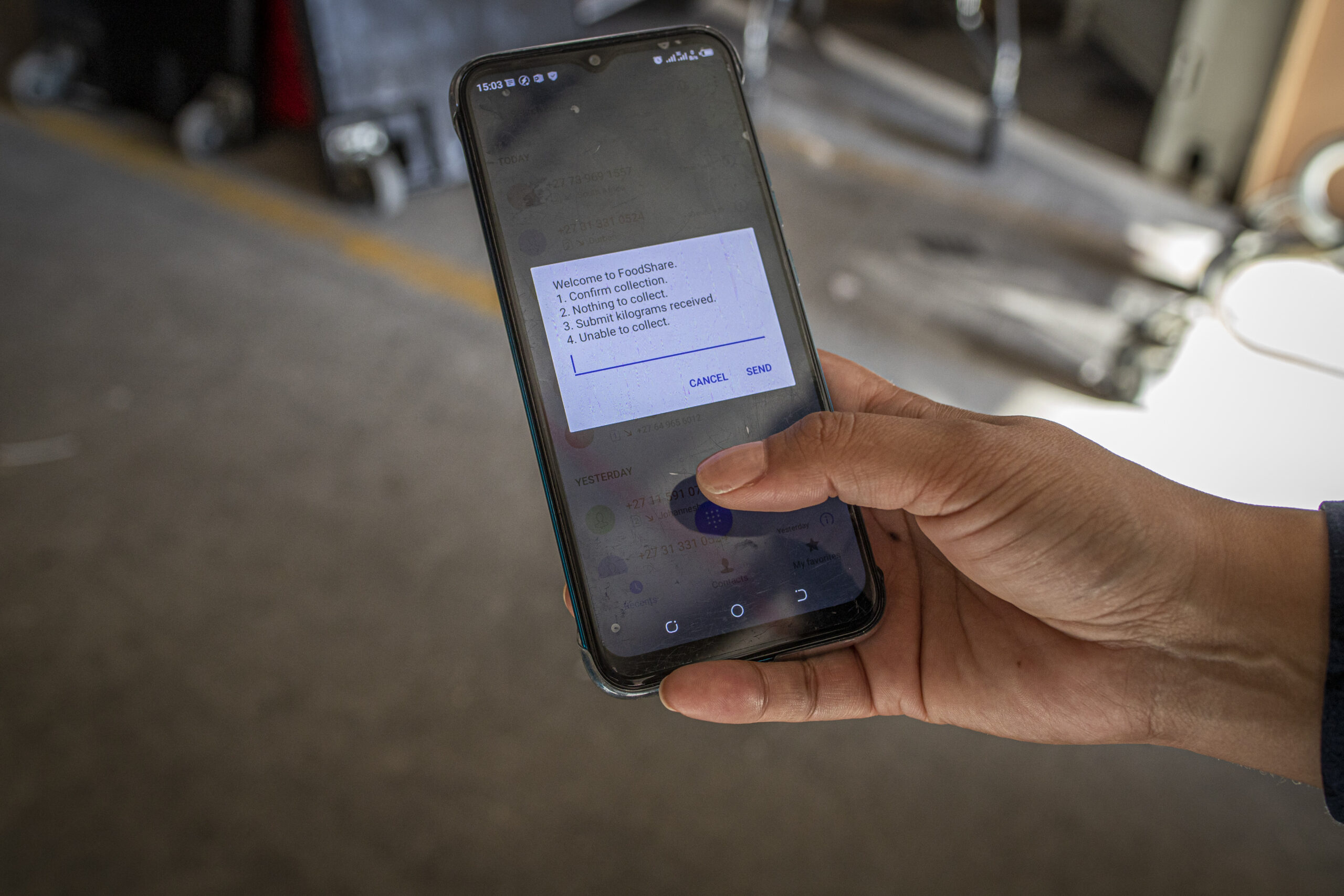
Another transformative development is FFSA’s embrace of digital technology to reduce food loss and waste. Its FoodShare platform and mobile application have revolutionised how surplus food is recovered and redistributed. Today, approximately 70% of the food recovered by FFSA flows through FoodShare.
The platform connects participating retailers, including Woolworths, Pick n Pay, SPAR and Food Lover’s Market with vetted beneficiary organisations located within a 5km radius of participating stores.
When surplus food becomes available, beneficiary organisations receive notifications and collect the food directly. Quantities are weighed, recorded and categorised, ensuring accountability and enabling real-time tracking of food recovery data.
The platform dramatically reduces logistical complexity and enables food to move quickly from potential waste streams to people who need it most.
In combination, all these initiatives are a blueprint for how environmental sustainability, economic efficiency and social justice can work together to solve food insecurity and food waste. Every farmer, retailer and manufacturer who chooses donation over disposal becomes part of a growing movement towards a more sustainable future.
Ends