
The Drakensberg–Eastern Cape Landscape: A Living Lifeline Under Threat
Photo Credit: WWF
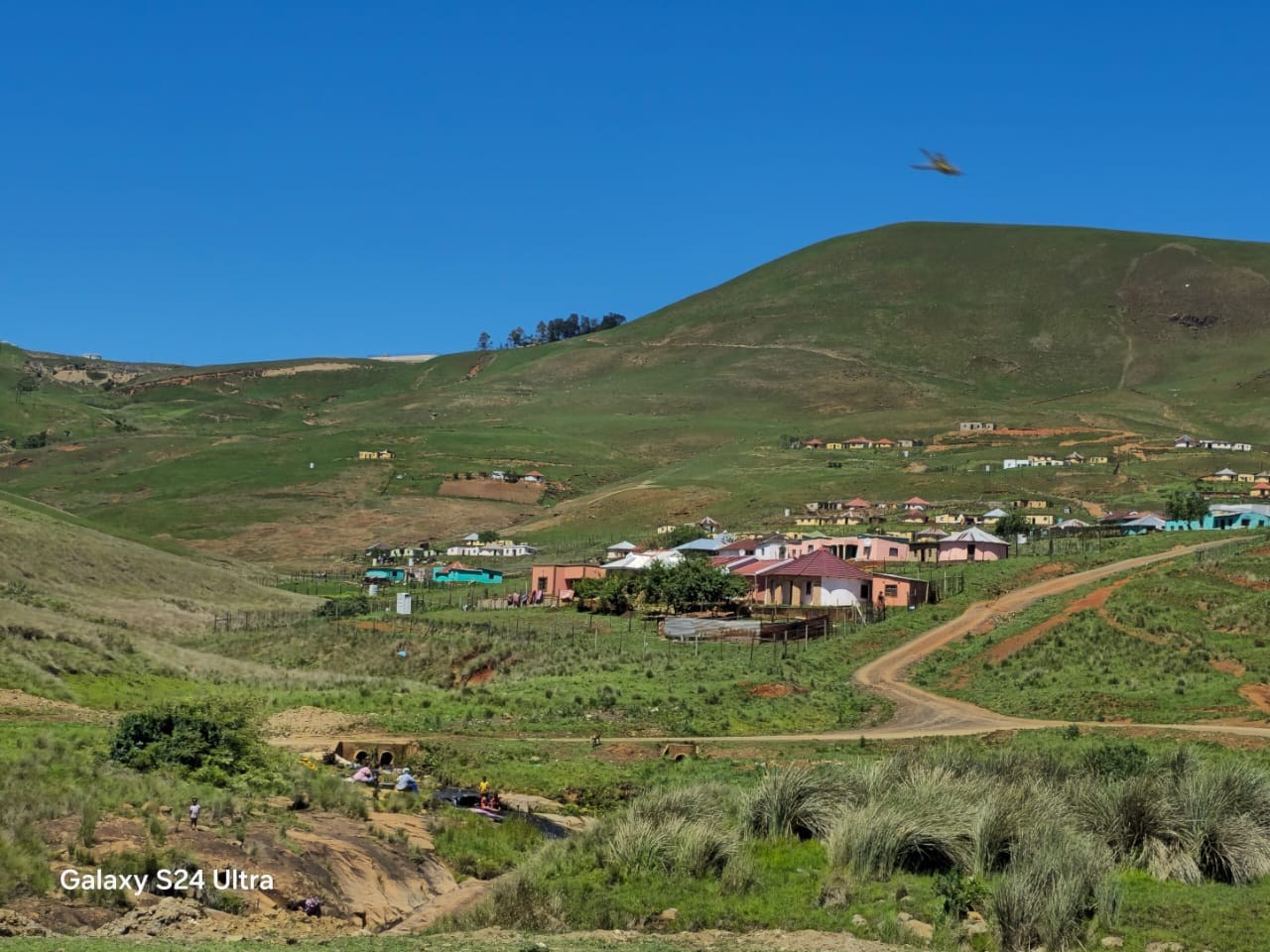
High in the mist-laced peaks of the Drakensberg, where the air is thin and the land breathes in silence, water is born. Drop by drop, it gathers strength, threading through ancient grasslands, winding across rugged hills, and carving its way through communities whose lives depend on its flow.
By the time it reaches the cities of Johannesburg and Durban, or spills into the Indian and Atlantic Oceans, it carries with it something far greater than water. It carries the story of a landscape and the fragile balance that sustains it.
Stretching from Gqeberha through the sweeping grasslands and Wild Coast of the Eastern Cape, into KwaZulu-Natal and the northern Drakensberg, this vast and vital region is one of South Africa’s most important ecological strongholds.
“This is not just a landscape,” says Thembanani Nsibande, WWF Landscape Manager: Maloti–uKhahlamba to Coast Landscape. “It is the source of life for millions of people. What happens here determines the future of water, food, and livelihoods across much of the country.”



A water factory unlike any other
Often called South Africa’s “water factory,” this upper catchment feeds rivers that sustain at least five provinces. The Umzimkulu, Umkhomazi, and Umngeni rivers begin their journey here, flowing outward like arteries from a beating heart. But this life-giving system is far more delicate than it appears.
“Every drop of water that leaves these mountains has already been shaped by the health of the land it passes through,” explains Thembanani Nsibande. “If we lose the integrity of these ecosystems, we are not just losing biodiversity, we are undermining our own survival.”
A deeply vulnerable landscape of global significance
Recognised as part of a national vision led by South African National Parks (SANPARKS), this region forms part of two of the country’s few designated mega living landscapes: the greater grasslands and the greater Addo region. However, despite its importance, much of it remains dangerously under-protected.
The Eastern Cape Drakensberg Strategic Water Source Area – the least protected of its kind in South Africa – lies exposed. Across the Eastern Cape, vast grasslands stretch over approximately 1.6 million hectares, yet only a fraction, just 3%, is formally protected.
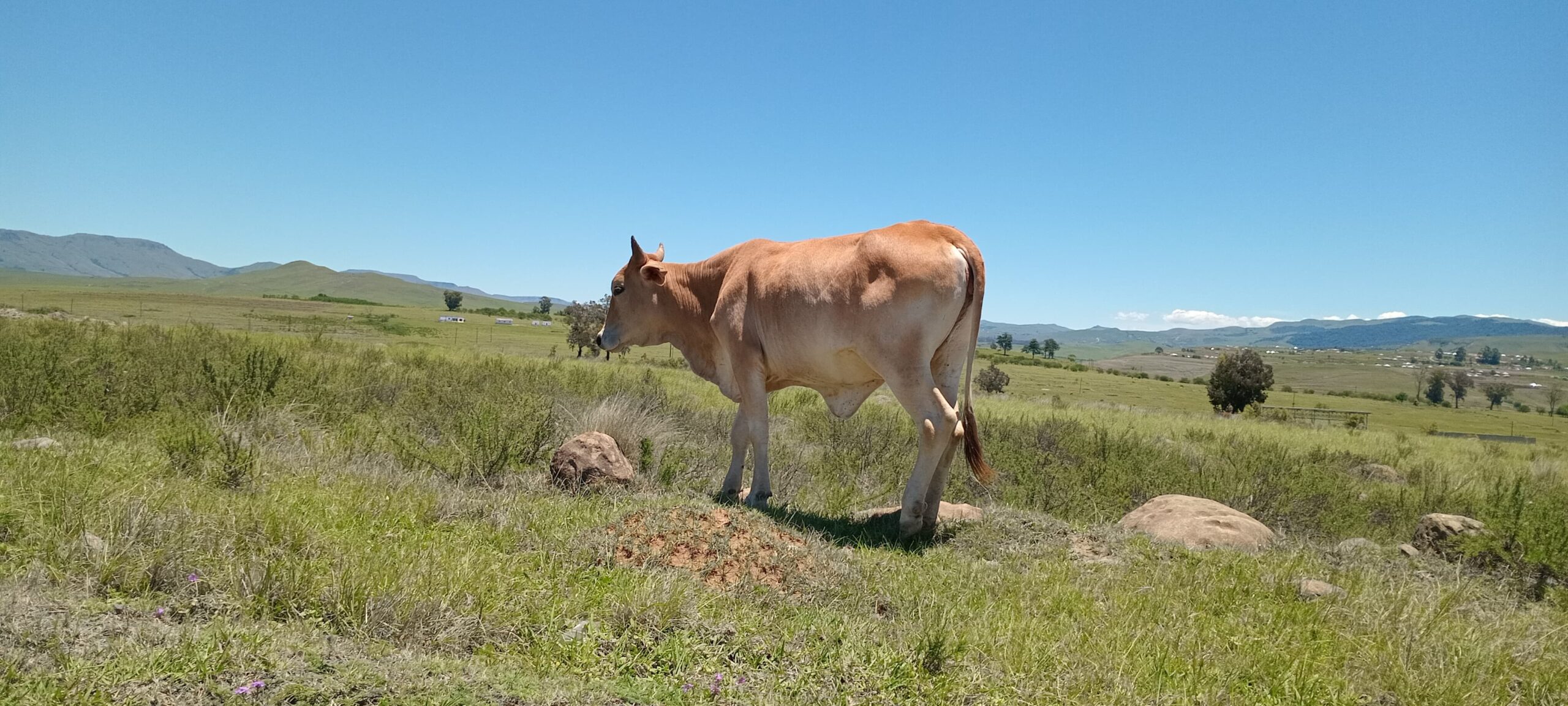
“These grasslands may look endless, but they are incredibly vulnerable,” says Linda Hlengwa, WWF Umzimkhulu Catchment Coordinator, Drakensberg/Eastern Cape Landscape. “They are the foundation of everything: from grazing and biodiversity to the water systems we all depend on. Without them, the consequences are stark. We will face failing farms, water insecurity, and collapsing ecosystems.”
Where conservation meets people
For years, the WWF Nedbank Green Trust has worked across this landscape with communities, farmers, and partners. Efforts span protected area expansion, sustainable agriculture, rangeland restoration, invasive species clearing, water stewardship, and even emerging marine conservation along the coast.
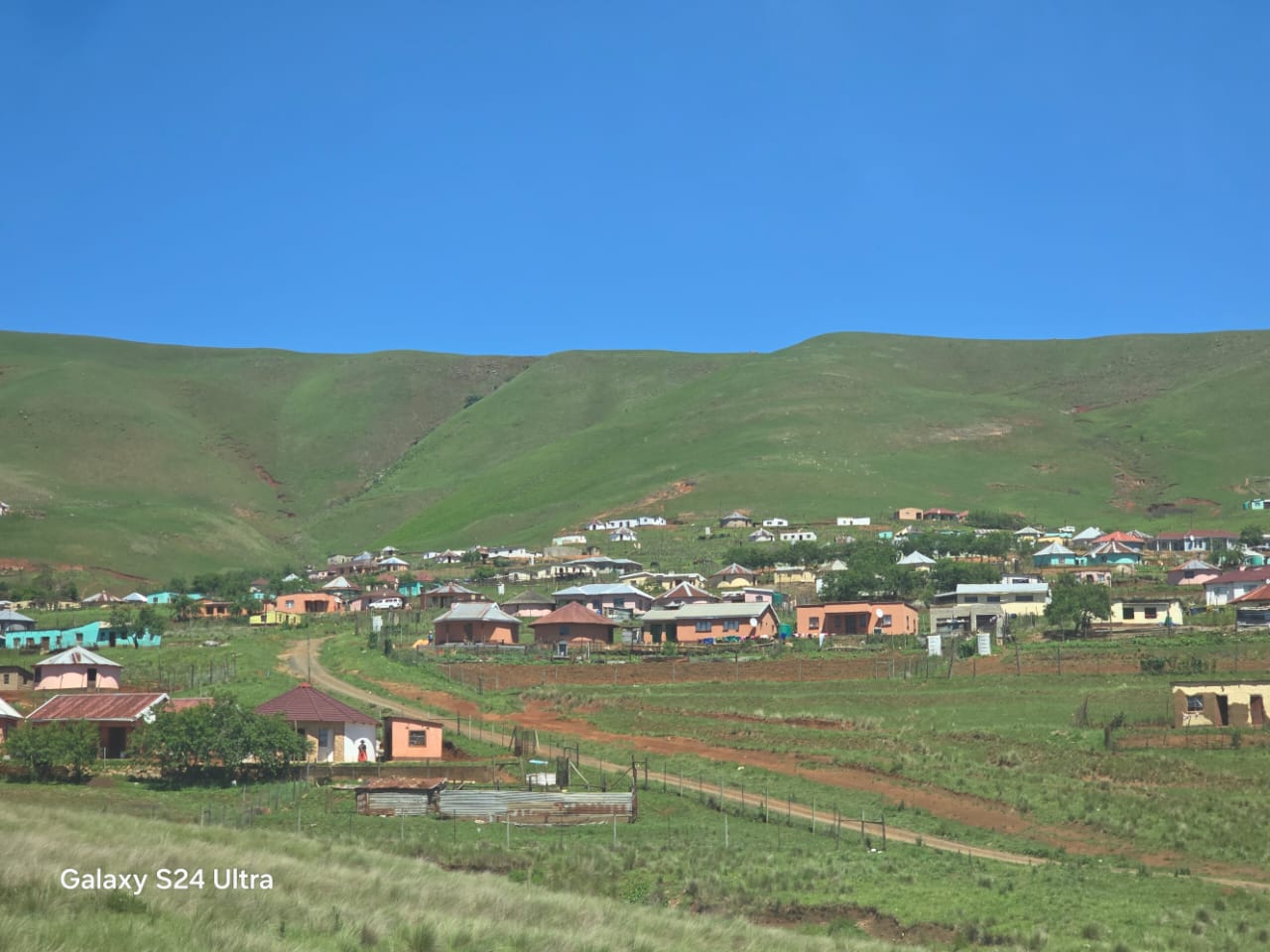
“What makes this work powerful is that it doesn’t separate people from nature,” says Ayanda Cele, WWF Senior Technical Specialist: Community Conservation and Stakeholder Engagement. “It recognises that communities are not just beneficiaries, they are custodians. From the mountains to the sea, the landscape is being reimagined as a connected system where land, water, and people are inseparable.”
A biodiversity treasure under siege
This region is home to species found nowhere else on Earth. Along its coastline, unique oyster populations cling to rocky shores, while the East Coast rock lobster moves through its waters. Silent, critical indicators of ecological health all at risk from a growing crisis. Invasive alien plants are advancing relentlessly, choking rivers, draining water supplies, and degrading grazing lands.
“The challenge is not just removing invasive species,” says Nsibande. “It’s keeping them from coming back. That requires long-term commitment, consistent funding, and local capacity. Without that, we are fighting a losing battle.”
Scaling up before it’s too late
Across the landscape, conservation efforts are expanding, but the scale of the challenge demands far more. Protected areas must grow from thousands to tens of thousands of hectares, including the expansion of the proposed Grasslands National Park from 10,000 to 50,000 hectares and beyond.
“The reality is that isolated interventions won’t save this landscape,” says Nsibande. “We need integration. When rangelands are healthy, protected areas thrive. When water systems are restored, communities become more resilient. Everything is connected and so our response must be too.”
The missing piece: Local economies
Yet one of the most urgent gaps lies not in the land, but in livelihoods. Too few local enterprises have the support needed to sustain conservation work beyond project cycles. Without economic opportunity, even the most well-intentioned efforts risk falling short.
“If we want lasting impact, we must invest in people as much as we invest in landscapes,” says Hlengwa. “That means supporting local businesses, empowering women, and creating opportunities that inspire young people to stay and lead. Because this is about more than conservation. It is about ownership, dignity, and long-term resilience.”
A national story and a shared responsibility
What happens here does not stay here. The water that rises in these mountains connects rural villages to urban economies, ecosystems to industries, and today’s decisions to tomorrow’s realities. “This landscape holds a mirror up to the country,” reflects Cele. “It shows us how deeply connected we are. If we protect it, we protect ourselves. If we fail, the consequences will reach far beyond these mountains.”
Looking ahead: A moment of choice
There is still time to scale what works, unlock new forms of funding and commit to models of development that are both inclusive and nature positive.
“We must be courageous and we must move quickly. The opportunity is right in front of us. There is life here. There is potential, but we have to choose to see it and to act before it slips away,” concludes Nsibande.