
The true cost of fast fashion and why it matters to South Africa
Photo Credit: WWF
That R100 athleisure set might look like a bargain to you, but someone in the global South, is paying the real price.
Fashion is a powerful form of self-expression. But behind the trends we wear every day lies a system that is placing growing pressure on both people and the planet, with impacts that are increasingly visible here in South Africa.
Fast fashion has made clothing more accessible and affordable. However, its true cost is often hidden, embedded in strained water systems, rising waste, and vulnerable communities across the Global South.
A growing environmental challenge close to home
South Africa is already a water-scarce country, and the fashion industry is deeply water-intensive. Globally, it takes around 2,700 litres of water to produce a single cotton T-shirt, the equivalent of what one person drinks over two and a half years. In a country facing increasing climate variability and water stress, this matters.

The impact doesn’t stop there. Synthetic fabrics such as polyester, now dominant in fast fashion, shed microplastics with every wash. These particles are making their way into rivers and oceans, contributing to pollution that affects both biodiversity and human health.
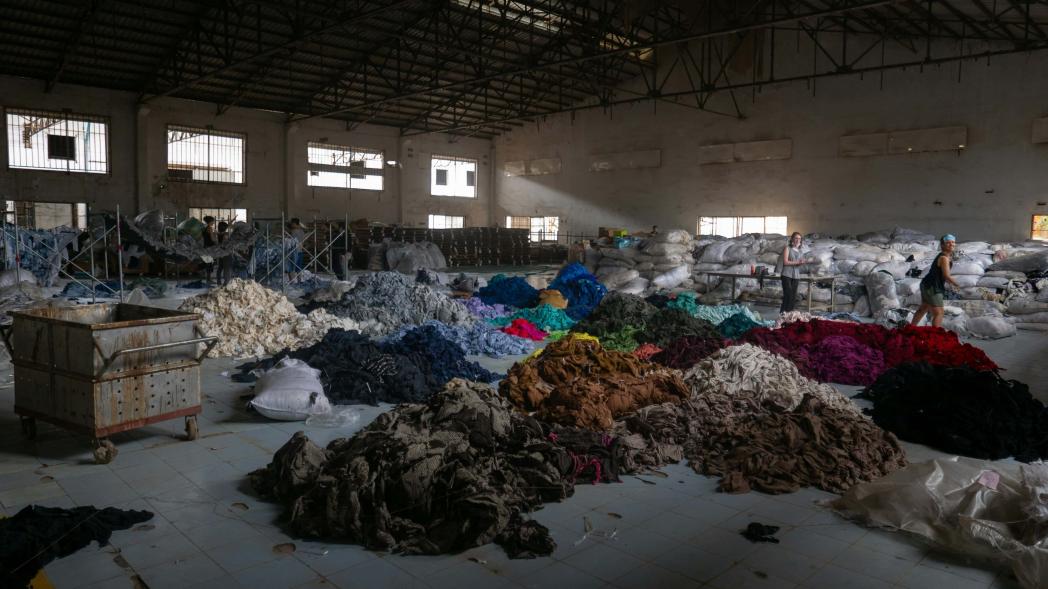
Textile waste is another growing concern. It is estimated that South Africa generates hundreds of thousands of tonnes of textile waste each year, much of which ends up in landfill. At the same time, large volumes of second-hand clothing imports enter the country, often overwhelming local systems and undermining local textile economies.
The human story behind the clothes
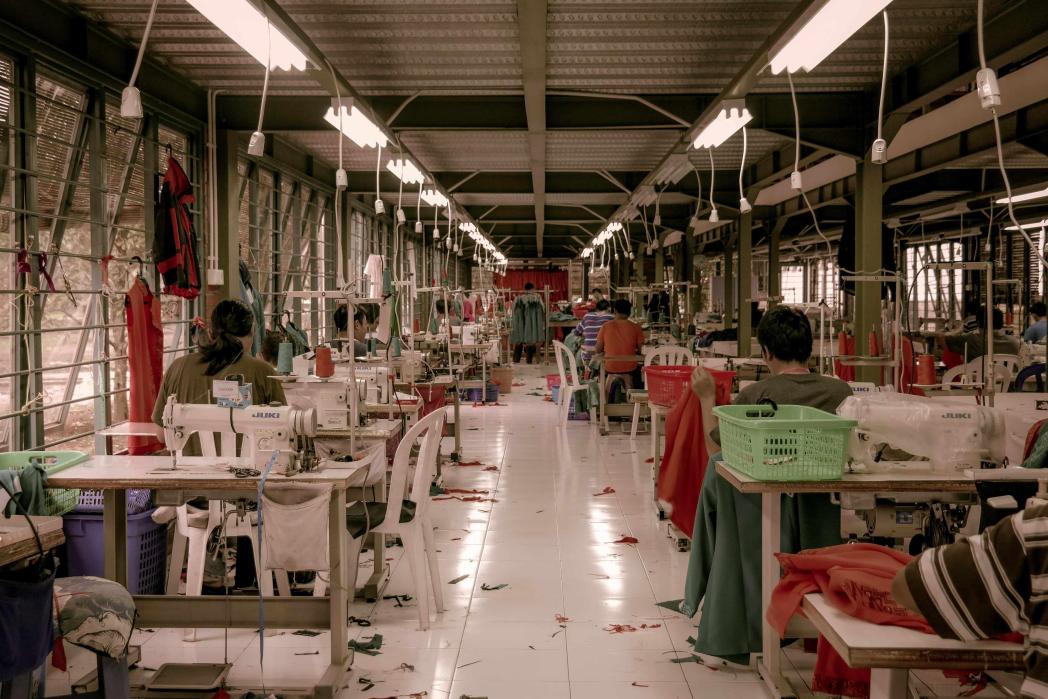
Across the Global South, and within parts of South Africa’s own textile sector, the pressure to produce cheaper, faster clothing can come at a human cost. Workers often face low wages, job insecurity, and difficult working conditions. At the same time, the decline of local manufacturing due to cheap imports has had ripple effects on livelihoods, skills retention, and economic resilience in South Africa.
Why this matters for a nature-positive future
At the WWF Nedbank Green Trust, we recognise that building a nature-positive economy means looking at entire systems, including how products are made, used, and disposed of. Fast fashion is a clear example of a linear ‘take-make-waste’ model. Transitioning to a more circular, people centred approach is essential: one that reduces waste, values resources, and supports dignified livelihoods.
What can we do?
Shifting the system starts with small, practical choices:
Buy with intention: Choose fewer, better-quality items that are made to last.
Support local and ethical production: Where possible, back South African designers and manufacturers who prioritise responsible practices.
Extend the life of your clothing: Repair, reuse, and reimagine what you already own.
Reduce washing impact: Wash less often, use cold water, and air dry to minimise microplastic release and energy use.
Every choice shapes the system
The scale of the challenge can feel overwhelming, but change is already underway. Across South Africa, innovators, entrepreneurs, and communities are rethinking fashion through circular design, waste reduction, and more sustainable materials. As consumers, we are part of this shift. The choices we make send signals to the market and help shape a more just and sustainable future. Because what we wear should not come at the cost of our water, our ecosystems, or our communities.
Sources: