Understanding and managing residential solar rooftop photovoltaic systems
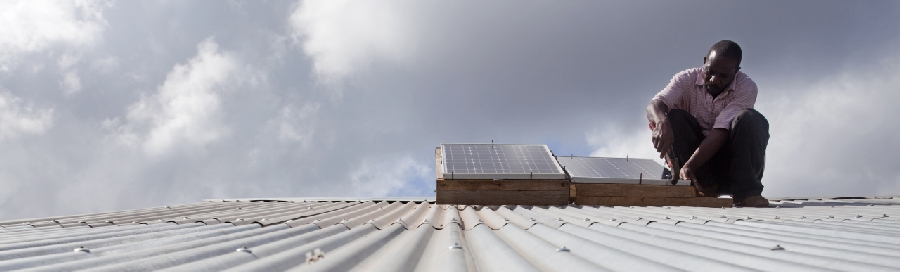
Photo Credit: Scott Ramsay
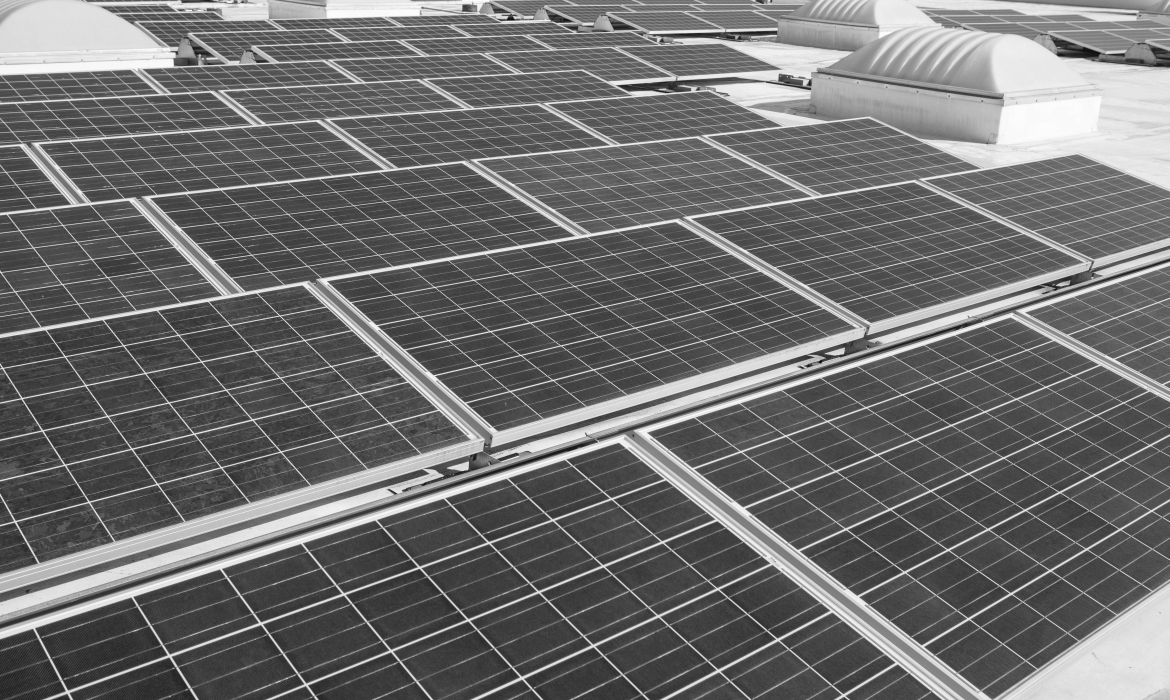
As the utilities responsible for distributing 40% of electricity in South Africa, municipalities are at the centre of a rapidly changing electricity environment. Historically this was a linear system: municipalities bought electricity from Eskom and sold it to their customers. However, this system now includes small-scale embedded generators (SSEG), mainly in the form of rooftop solar photovoltaic (PV) systems.
While municipalities support the transition to an environmentally sustainable power system and recognise the need to integrate renewable-energy technologies, they also have the responsibility of addressing the potential revenue, technical and safety implications, as well as the social equity consequences of these installations. Through the years, South African municipalities have come to rely on the revenue from electricity sales to high-electricity-use customers to pay for the electricity provision of other customers. Municipalities also use surplus revenue from electricity sales for financial shortfalls in other services. This situation adds to the existing complexity of the electricity tariff setting, which is now even further complicated by the introduction of rooftop PV into the mix.
Because the interests of rooftop PV owners and municipalities are misaligned, designing new electricity tariffs that are widely accepted to provide fair compensation for municipal electricity services has proven to be difficult.
The WWF Nedbank Green Trust has funded the research into and creation of a decision-making tool for municipalities. It considers all the agents in and complexities of the electricity system. The aim is to provide municipal and other decision-makers (including Eskom and the National Energy Regulator of South Africa) with a practical application tool to help them deal with the dilemmas in the electricity system, and design appropriate policies. The electricity decision-making tool will help municipalities design the best possible electricity system, vital for liveable and resilient cities and towns.
For further information visit https://www.wwf.org.za/wildlife/?30201/residential-investment-in-solar-pv